


Polydeoxyribonucleotide (PDRN)
Polydeoxyribonucleotide (PDRN) is considered a breakthrough ingredient in hair growth treatment due to its ability to repair, regenerate, and rejuvenate the scalp and hair follicles at a cellular level.
Promotes cellular repair and regeneration
PDRN is derived from DNA fragments that activate the body's natural repair processes. It enhances cell proliferation and supports tissue regeneration in the scalp, creating an optimal environment for hair follicles to grow and thrive.
Improves scalp health
By stimulating blood flow and collagen production, PDRN helps nourish and rejuvenate the scalp. A healthy, well-nourished scalp is essential for sustaining strong and healthy hair growth.
Anti-inflammatory benefits
PDRN has anti-inflammatory properties that soothe irritation and inflammation in the scalp. This is particularly beneficial for individuals experiencing hair loss due to inflammatory conditions like alopecia or scalp sensitivity.
Extends the hair growth phase
PDRN supports the anagen (growth) phase of the hair cycle by revitalizing dormant hair follicles and preventing premature entry into the resting or shedding phases. This helps increase hair density and thickness over time.
Enhances the effectiveness of treatments
As a potent regenerative ingredient, PDRN works synergistically with other active compounds in hair growth treatments, enhancing overall efficacy and accelerating results.
References: Kim et al. 2024, Shin et al. 2023

Dexpanthenol
Dexpanthenol, also known as provitamin B5, is a key ingredient in hair loss treatments due to its ability to improve hair and scalp health.
Hydrates and moisturizes
- Dexpanthenol is a powerful humectant that attracts and retains moisture, deeply hydrating the scalp and hair.
- Proper hydration supports the scalp's health, preventing dryness and flakiness, which can inhibit hair growth.
Strengthens hair strands
- By penetrating the hair shaft, dexpanthenol helps fortify each strand, reducing breakage and split ends.
- It enhances the elasticity of hair, making it more resilient to physical and environmental stress.
Promotes scalp health
- Dexpanthenol soothes inflammation and irritation on the scalp, creating an optimal environment for hair follicles to thrive.
- Its anti-inflammatory properties can also help alleviate scalp conditions, such as dandruff, that may contribute to hair loss.
Supports cellular regeneration
- As a provitamin, dexpanthenol converts into pantothenic acid (vitamin B5) in the body, which plays a role in cell regeneration.
- This helps repair and rejuvenate damaged follicles, encouraging healthy hair growth.
Improves hair appearance
- Dexpanthenol coats the hair, adding shine, smoothness, and softness while protecting against external damage.
References: Proksch et al. 2017

Biotin
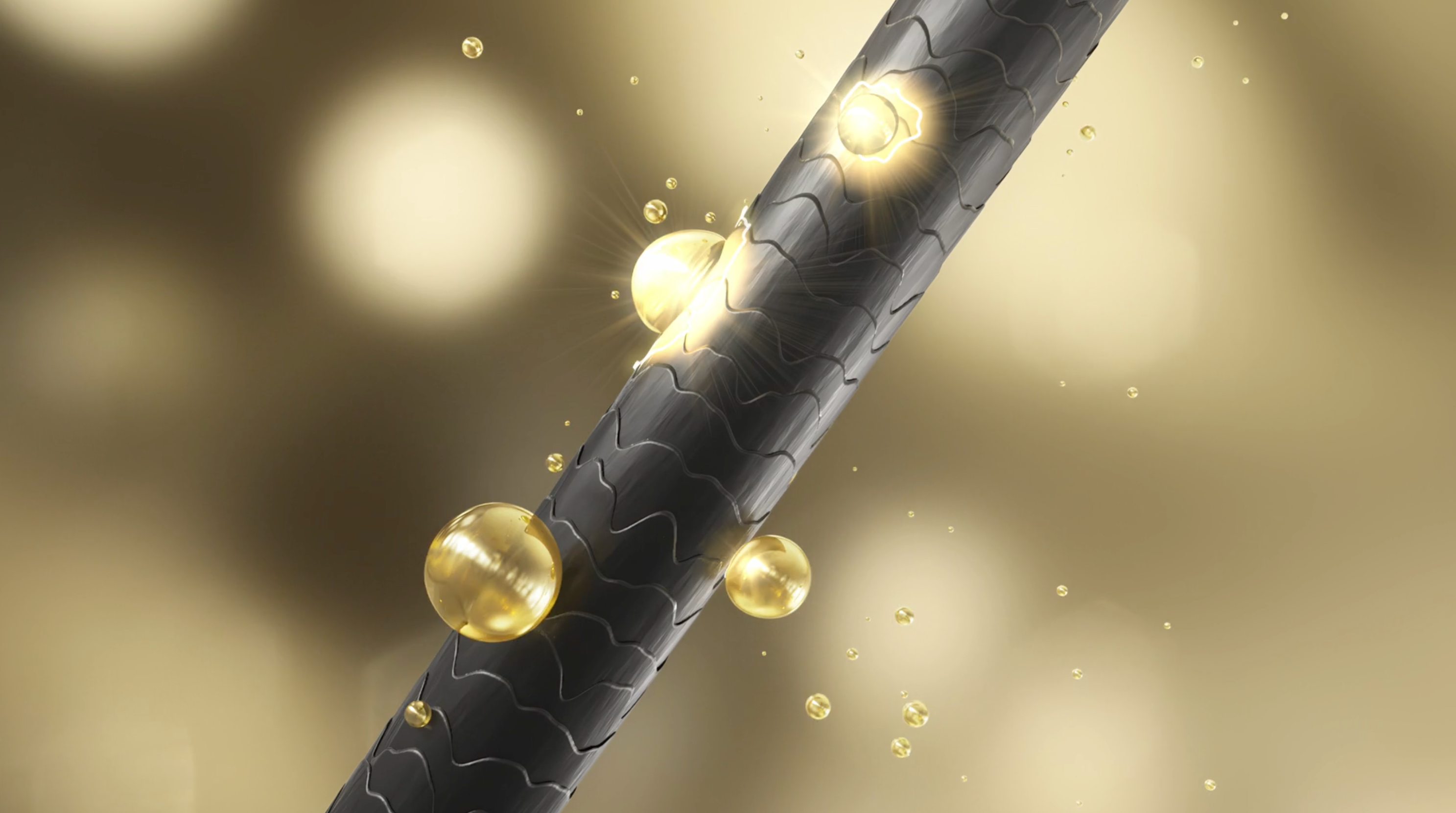
Biotin, also known as vitamin B7 or vitamin H, is a vital ingredient in hair growth treatments due to its essential role in maintaining healthy hair structure and promoting growth. It nourishes and fortifies hair from within, supports the hair follicle's structural integrity, and promotes healthier, thicker hair. Its proven benefits make it a cornerstone ingredient in many effective hair growth treatments.
Supports keratin production
- Biotin is crucial for the production of keratin, the protein that makes up the structure of hair, skin, and nails.
- It strengthens the hair shaft, reducing breakage and promoting thicker, healthier strands.
Promotes cellular metabolism
- Biotin plays a key role in converting nutrients, such as carbohydrates, fats, and proteins, into energy.
- This energy fuels the hair follicles, supporting their activity and encouraging the growth of new hair.
Reduces hair breakage
- Biotin helps improve the elasticity of the hair cortex, making it more resilient to environmental stressors and styling damage.
- It reduces dryness and brittleness, leaving hair stronger and less prone to split ends.
Addresses nutritional deficiencies
- A deficiency in biotin is associated with hair thinning, dullness, and increased shedding.
- Including biotin in treatments ensures adequate levels, helping to prevent and reverse deficiency-related hair loss.
References: Patel et al. 2017

Vitamins B and iron
Vitamins B and iron are essential components of a hair growth treatment due to their critical roles in maintaining healthy hair follicles and promoting overall scalp health.
Vitamins B: essential for hair growth
The B-vitamin group supports various processes that contribute to healthy hair:
- Biotin (B7): Strengthens hair structure and promotes growth by supporting keratin production, the primary protein in hair.
- B12: Enhances oxygen transport in the blood, ensuring that hair follicles receive the nutrients they need for growth.
- B6: Helps regulate hormones, including those that influence hair loss, and supports protein metabolism for stronger hair strands.
- Niacin (B3): Improves blood circulation to the scalp, delivering nutrients directly to the hair follicles.
Iron: The key to nourishing hair follicles
Iron is crucial for the production of hemoglobin, a protein in red blood cells that carries oxygen to tissues, including the scalp and hair follicles.
- Prevents hair shedding: Iron deficiency (anemia) is a leading cause of hair loss, as insufficient oxygen delivery weakens the follicles and disrupts the hair growth cycle.
- Supports follicular health: Adequate iron ensures that hair follicles remain active and healthy, promoting strong, vibrant hair growth.
Together for maximum effect:
The combination of vitamins B and iron creates a synergistic effect, ensuring that hair follicles are adequately nourished, oxygenated, and supported through all stages of the hair growth cycle. Incorporating these ingredients into hair growth treatments can address deficiencies and optimize scalp health for stronger, fuller hair.
References: Almohanna et al. 2019, Park et al. 2013
Biomimetic peptides
Biomimetic peptides are synthetic peptides designed to mimic the natural peptides found in the body. These peptides replicate the biological processes of naturally occurring molecules, making them highly effective in rejuvenating hair follicles.
Biomimetic peptides are used in the Hairgenetix Advanced Hair Growth Serum because they can:
- Stimulate hair follicle activity and promote hair growth.
- Improve blood flow to the scalp.
- Strengthen the hair shaft and prevent breakage.
- Inhibit the effects of DHT (dihydrotestosterone), a key factor in hair loss.
These peptides are designed to be biocompatible, meaning they work harmoniously with the body’s natural processes for enhanced results.
References: Katoulis et al. 2023
Frequently Asked Questions
How to use the Advanced Hair Growth Serum
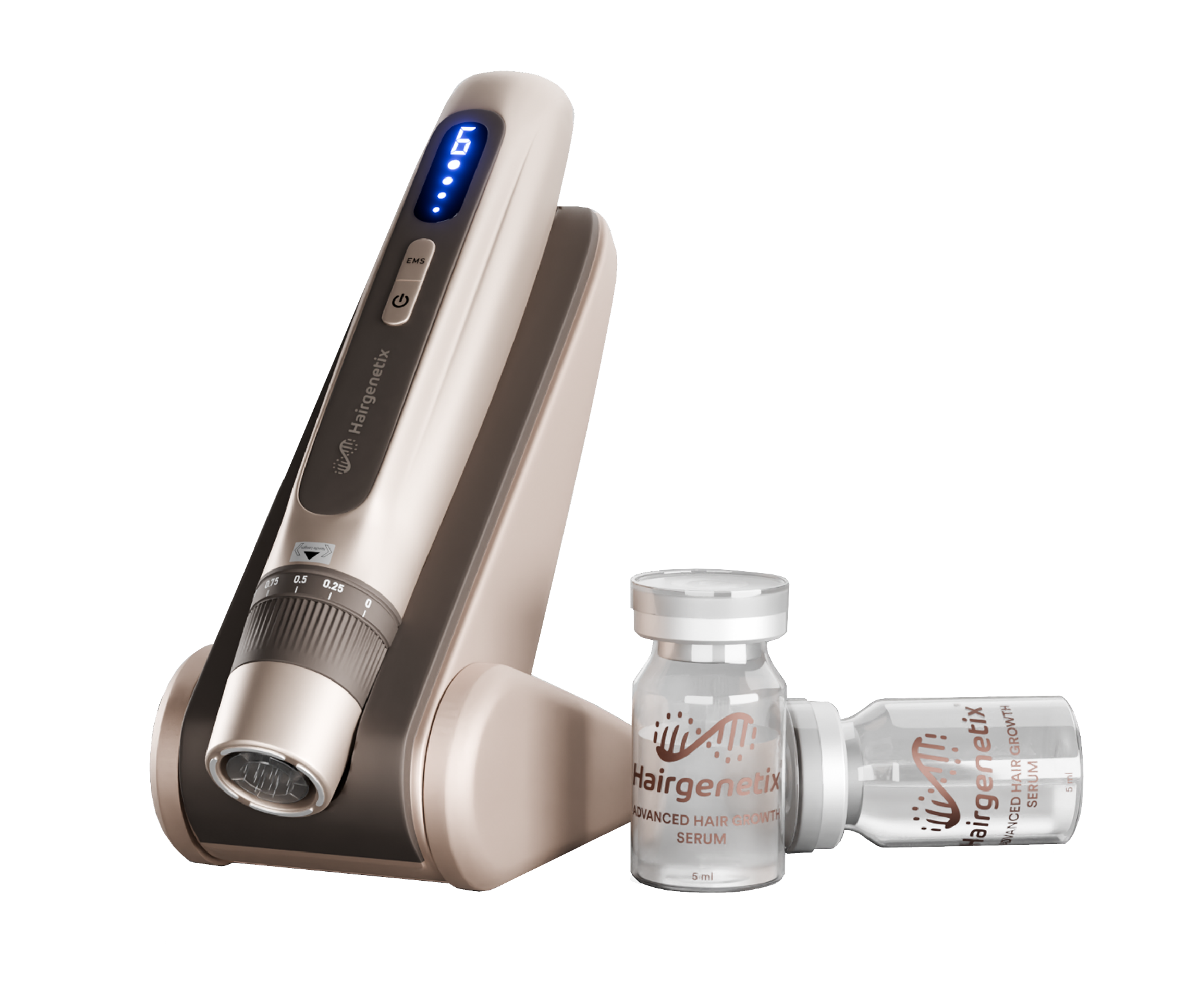
The Hairgenetix Advanced Hair Growth Serum is designed for use with the Mesotherapy Pen for maximum ingredient delivery.
Prepare your scalp
Wash and towel-dry your hair. Clean scalp allows better absorption of PDRN, GHK-Cu, and biomimetic peptides.
Load and apply
Fill one vial into the pen cartridge. Glide across areas of thinning. The micro-needles deliver serum directly to hair follicles.
Post-treatment
Avoid washing hair for at least 4 hours. Do not apply other products to the treated area.
Frequency
Once per week for 12 weeks, then every 2 weeks for maintenance. Results typically visible after 8–12 weeks.
How does PDRN compare to other hair growth ingredients?
PDRN vs Minoxidil
- PDRN: Promotes cellular repair via A2A adenosine receptor activation. Regenerates tissue at follicle level. No known systemic side effects. Works through DNA fragment signalling.
- Minoxidil: FDA-approved vasodilator. Opens potassium channels to increase blood flow. Can cause scalp irritation, unwanted facial hair, and rare cardiovascular effects. Requires indefinite use.
PDRN vs PRP (Platelet-Rich Plasma)
- PDRN: Can be applied at home via mesotherapy pen. Consistent dosing per vial. No blood draw required. Cost-effective long-term.
- PRP: Requires clinic visits and blood draw. Growth factor concentration varies per session. Typically €200–€500 per session.
PDRN vs Finasteride
- PDRN: Topical application, no hormonal effects. Safe for men and women. Works by promoting cell regeneration rather than blocking hormones.
- Finasteride: Oral prescription drug. Blocks DHT systemically. Effective but carries risk of sexual side effects (2–4% of users). Not approved for women.
Is the Advanced Hair Growth Serum safe for all hair types?
Yes. The Advanced Hair Growth Serum is formulated for all hair types and textures — straight, wavy, curly, and coily. The active ingredients (PDRN, GHK-Cu, AHK-Cu, biomimetic peptides) target the hair follicle and scalp at a cellular level, not the hair shaft, so hair type does not affect efficacy.
The serum is suitable for both men and women experiencing:
- Androgenetic alopecia (pattern hair loss)
- Telogen effluvium (stress-related shedding)
- Diffuse thinning
- Post-partum hair loss
If you have a sensitive scalp or known allergies to copper compounds, perform a patch test on a small area before first use.
Can I use the serum without the mesotherapy pen?
Yes, the serum can be applied topically by massaging drops directly into the scalp. However, the mesotherapy pen significantly improves results by creating micro-channels that deliver active ingredients 3–5x deeper into the skin — directly to the dermal papilla where hair follicle stem cells reside.
Clinical studies on microneedling with topical treatments show 82% higher response rates compared to topical application alone (Dhurat et al. 2013).
How long does one vial of the Advanced Hair Growth Serum last?
One vial of the Advanced Hair Growth Serum lasts for one full mesotherapy session. Each vial contains the precise dose of PDRN, GHK-Cu, AHK-Cu, and biomimetic peptides needed for a complete scalp treatment. During the initial 12-week phase, you use one vial per weekly session (12 vials total). After that, maintenance sessions are every 2 weeks. A 2024 clinical study on PDRN efficacy (PubMed: 38842633) confirmed that weekly application for 12 weeks produced statistically significant improvements in hair density.

GHK-Cu (Glycyl-L-Histidyl-L-Lysine Copper Complex)
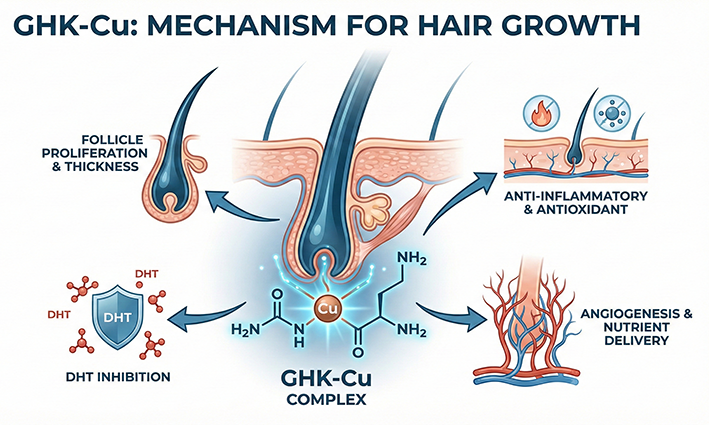
GHK-Cu, or Glycyl-L-Histidyl-L-Lysine Copper, is far more than just a buzzword in high-end hair care; it is a bio-identical tripeptide that serves as a master regulator of tissue remodeling. Naturally found in human plasma, this complex combines three vital amino acids: glycine, histidine, and lysine, with copper ions to act as a "signal peptide."
In the ecosystem of the scalp, GHK-Cu functions as a biological architect, sending specific instructions to cells to initiate repair, dampen inflammation, and jumpstart the hair production cycle.
The Biological Blueprint: Why GHK-Cu is Effective for Hair Growth
Shampoos and treatments infused with GHK-Cu leverage a multi-targeted approach to combat thinning and promote density. Here is how the science breaks down:
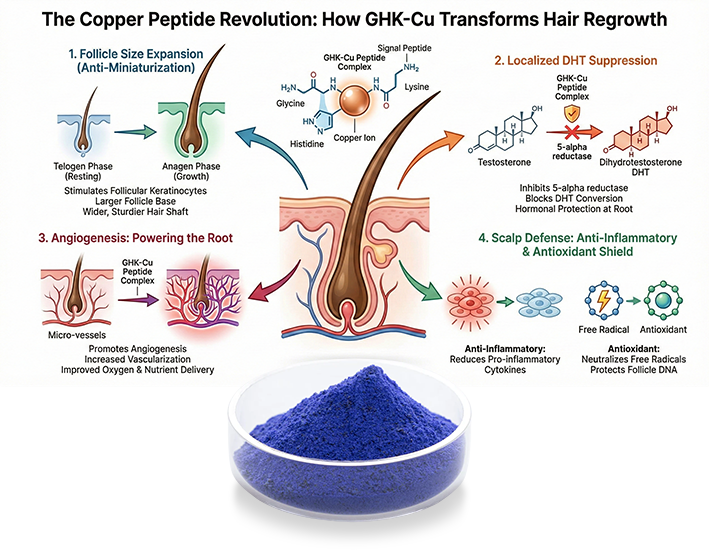
1. Follicle Size Expansion (The Anti-Miniaturization Effect)
One of the hallmarks of hair loss is the shrinking of the hair follicle. GHK-Cu stimulates the proliferation of follicular keratinocytes, effectively "enlarging" the follicle base. This shift:
- Forces hair from the telogen (resting) phase into the anagen (growth) phase.
- Produces a wider, sturdier hair shaft.
- Counteracts the miniaturization seen in androgenetic alopecia.
2. Localized DHT Suppression
Dihydrotestosterone (DHT) is the primary antagonist in pattern hair loss. GHK-Cu acts as a gentle but effective 5-alpha reductase inhibitor. By blocking the enzyme that converts testosterone into follicle-choking DHT, it provides a crucial layer of hormonal protection directly at the root.
3. Angiogenesis: Powering the Root
A hair follicle is only as healthy as its blood supply. GHK-Cu is a known promoter of angiogenesis—the creation of new micro-vessels. By increasing vascularization around the dermal papilla, it ensures that every follicle has a "direct line" to the oxygen and nutrients required to sustain rapid growth.
4. Scalp Defense: Anti-Inflammatory & Antioxidant Shield
A "toxic" scalp environment characterized by chronic inflammation and oxidative stress can lead to premature hair shedding. GHK-Cu provides a double-layered defense:
- Anti-Inflammatory: It reduces pro-inflammatory cytokines that trigger follicle "shutdown."
- Antioxidant: It neutralizes free radicals, protecting the follicle's DNA from environmental damage and aging.
References: Pickart et al. 2015, Pickart & Margolina 2018, Li et al. 2024
🔬 See full clinical studies for Quantified Proof of Hair Growth benefits
AHK-Cu (Alanine-Histidine-Lysine Copper Complex)
AHK-Cu is a specialized copper peptide often utilized in premium hair growth serums. While it is closely related to the better-known GHK-Cu, AHK-Cu is specifically tailored for hair and skin applications due to its potent ability to stimulate the cells responsible for hair shaft production.
Summary of Benefits
- Increased Hair Thickness: Directly boosts keratinocyte production.
- Extended Growth Phase: Keeps hair in the anagen phase for longer periods.
- Improved Scalp Health: Promotes better blood flow and reduces inflammation.
- Follicle Recovery: Helps "wake up" dormant follicles that have shrunk due to aging or genetics.
The Biological Mechanisms of AHK-Cu for Hair Growth
The effectiveness of AHK-Cu is rooted in its role as a "signaling molecule" that targets the underlying biological causes of hair thinning.
1. Proliferation of Dermal Papilla Cells
The dermal papilla is the "control center" of the hair follicle. AHK-Cu has been shown in studies to significantly stimulate the proliferation of these cells. By increasing the metabolic activity at the follicle base, it helps trigger the transition from the telogen (resting) phase to the anagen (active growth) phase.
2. Stimulation of Keratinocyte Growth
Hair is primarily composed of keratin. AHK-Cu promotes the growth of keratinocytes—the cells that produce keratin. By accelerating the production of these cells, the peptide helps the follicle generate a thicker, more robust hair shaft, effectively reversing the "miniaturization" seen in pattern baldness.
3. Enhancement of Scalp Microcirculation (Angiogenesis)
Similar to other copper peptides, AHK-Cu is a known promoter of angiogenesis (the formation of new blood vessels). It improves the density of the capillary network surrounding the hair follicle. This increased vascularization ensures that the hair bulb receives a constant supply of oxygen and essential nutrients required for sustained growth.
4. Regulation of DHT Impact
While not a primary DHT blocker like Saw Palmetto, AHK-Cu helps maintain the integrity of the follicle against hormonal stress. By strengthening the structural environment of the scalp and reducing the production of TGF-beta1 (a protein associated with hair loss triggered by DHT), it provides a protective "buffer" for sensitive follicles.
5. Anti-Inflammatory and Tissue Remodeling
AHK-Cu aids in the removal of damaged proteins (like old collagen and elastin) from the scalp and replaces them with healthy tissue. This "remodeling" effect creates a more fertile scalp environment, while its natural anti-inflammatory properties reduce the scalp redness and irritation that often accompany thinning.
AHK-Cu vs. GHK-Cu: What is the Difference?
While both are copper peptides, they differ in their primary amino acid:
- GHK-Cu uses Glycine; it is a general-purpose peptide used for wound healing and overall skin anti-aging.
- AHK-Cu uses Alanine; it is often considered more specific to hair follicle stimulation and is frequently cited in research as having a more direct impact on hair density.
References: Kang et al. 2009
🔬 See full clinical studies for Quantified Proof of Hair Growth benefits
Other ingredients
These other ingredients all work synergistically to hydrate, nourish, and protect the scalp and hair, creating an ideal environment for hair growth. Supporting the hair growth stimulation effect of the Copper Peptides for optimal hair follicle activation.
- Butylene glycol is a humectant and solvent commonly used in skincare and haircare products. It enhances moisture retention in the scalp and hair, improving hydration and absorption of other active ingredients.
- Alanine / histidine / lysine are Amino acids essential for protein synthesis. They support the production of keratin and collagen, which are critical for strong, healthy hair.
- Polypeptide copper HCl is a copper-based peptide similar to GHK-Cu or AHK-Cu. It stimulates follicle repair, enhances growth, and promotes blood circulation to the scalp.
- Polyamino sugar condensate is a sugar-derived humectant. It provides intense hydration, improving the scalp’s condition and supporting hair follicle health.
- Niacinamide is a form of Vitamin B3. It improves scalp circulation, strengthens hair, and reduces inflammation that can inhibit growth.
- Glycyrrhiza uralensis (licorice) extract is a natural extract with anti-inflammatory and soothing properties. It reduces scalp irritation and helps create an optimal environment for hair growth.
- Dendrobium nobile stem extract is a botanical extract with antioxidant properties. It protects hair follicles from oxidative stress and environmental damage.
- Myristoyl pentapeptide-4 is a synthetic peptide. It stimulates keratin production and revitalizes dormant hair follicles.
- Panax ginseng root extract is a traditional herbal remedy with numerous health benefits. It improves scalp circulation, strengthens hair roots, and stimulates growth.
- Panthenol is a provitamin B5. It deeply hydrates hair, strengthens strands, and prevents breakage.
- Serine is an amino acid. It supports protein structure in hair and helps maintain elasticity.
- Hydrolyzed keratin is a protein broken down for better absorption. It replenishes lost keratin, repairing damaged hair and reducing breakage.
- Oligopeptide-1 is a small peptide that promotes cell regeneration. It stimulates hair follicle activity and promotes scalp repair.
- Hydrolyzed sclerotium gum is a natural thickening agent derived from fungi. It enhances scalp hydration and provides a smoother application experience.
- Hexanediol is a humectant and solvent. It helps retain moisture and improves the effectiveness of active ingredients.
- Hydroxyacetophenone is an antioxidant and stabilizer. It protects active ingredients from degradation and soothes the scalp.
- Sodium hyaluronate is a salt form of hyaluronic acid. It provides deep hydration to the scalp, enhancing follicle health and elasticity.
- Disodium EDTA is a chelating agent. It prevents mineral buildup on the scalp that can clog follicles and hinder growth.
- Hydrogenated castor oil is a processed form of castor oil. It adds moisture to the scalp and hair while enhancing shine and smoothness.
🔬 See full clinical studies for Quantified Proof of Hair Growth benefits
Frequently Asked Questions
How to use the Copper Peptide Serum
The Copper Peptide Serum can be applied topically or with the mesotherapy pen.
Topical
Apply 5–10 drops to areas of thinning. Massage into scalp for 2–3 minutes on clean, towel-dried hair.
With mesotherapy pen
Load into the pen cartridge for deeper delivery of GHK-Cu and AHK-Cu to the dermal papilla.
Frequency
Topical: daily, preferably evening. With pen: once per week. Consistency matters more than dose.
How does GHK-Cu compare to other hair loss treatments?
GHK-Cu vs Minoxidil
- Mechanism: GHK-Cu activates Wnt/beta-catenin signalling and promotes angiogenesis. Minoxidil is a potassium channel opener that increases blood flow.
- Side effects: GHK-Cu has no reported systemic side effects. Minoxidil can cause scalp irritation, headaches, and unwanted facial hair growth.
- Evidence: GHK-Cu has 30+ years of published research (Pickart et al. 2015). Minoxidil has FDA approval since 1988.
GHK-Cu vs Finasteride
- Application: GHK-Cu is topical (no prescription needed). Finasteride is an oral prescription drug.
- Gender: GHK-Cu is safe for men and women. Finasteride is not approved for women and contraindicated in pregnancy.
- DHT: GHK-Cu acts as a mild localised 5-alpha reductase inhibitor. Finasteride blocks DHT systemically (more effective but more side effects).
GHK-Cu vs AHK-Cu
- GHK-Cu: Natural tripeptide (glycine-histidine-lysine). General-purpose tissue repair, wound healing, anti-aging. Broad evidence base.
- AHK-Cu: Synthetic analogue (alanine-histidine-lysine). Specifically optimised for hair follicle stimulation and dermal papilla cell proliferation.
- Hairgenetix uses both for complementary action — GHK-Cu for follicle enlargement and scalp health, AHK-Cu for targeted growth signalling.
Can I use copper peptide serum with minoxidil?
Yes, copper peptides and minoxidil work through different biological pathways and can be used together. GHK-Cu promotes follicle enlargement via Wnt signalling, while minoxidil increases blood flow via potassium channel opening.
Recommended protocol: Apply minoxidil first, wait 30 minutes for absorption, then apply the copper peptide serum. When using the mesotherapy pen, do not use minoxidil on the same day — microneedling increases absorption of all topicals, and minoxidil is not designed for deep dermal delivery.
Always consult a dermatologist before combining treatments.
Are copper peptides safe for colour-treated hair?
Yes. Copper peptides target the hair follicle and scalp, not the hair shaft where colour molecules are deposited. The serum will not strip, alter, or fade hair colour.
In fact, copper peptides may benefit colour-treated hair by strengthening the follicle and reducing breakage that often accompanies chemical processing.
How long does copper peptide serum take to work for hair growth?
Copper peptide serum typically shows visible results after 8-12 weeks of consistent daily use. Early signs like reduced shedding may appear within 4-6 weeks. A 2024 study on GHK-Cu microemulsion delivery (PMC10643103) demonstrated measurable hair follicle growth acceleration. The copper peptides work through cumulative biological signalling — GHK-Cu activates Wnt/beta-catenin pathways while AHK-Cu stimulates dermal papilla cell proliferation. Consistency matters more than dose. As reviewed by Dr. Esther Bodde, MD, best results come from combining daily topical application with weekly mesotherapy sessions.
Can copper peptides reverse hair loss or just slow it down?
Copper peptides can both slow hair loss and promote regrowth of miniaturised follicles. GHK-Cu reverses follicle miniaturisation by stimulating keratinocyte proliferation and expanding the follicle base (Pickart et al., 2012). It also acts as a localised 5-alpha reductase inhibitor, reducing DHT at the scalp level. A 2018 review in the International Journal of Molecular Sciences (PMC6073405) confirmed that GHK-Cu promotes angiogenesis and tissue remodelling around hair follicles. However, results depend on the stage of hair loss — copper peptides are most effective for early-to-moderate thinning where follicles are miniaturised but still alive.
Is copper peptide serum better than minoxidil for hair regrowth?
Copper peptide serum and minoxidil work through different mechanisms and can complement each other. Minoxidil is an FDA-approved vasodilator that increases blood flow to follicles but can cause scalp irritation and unwanted facial hair. GHK-Cu activates Wnt/beta-catenin signalling, promotes angiogenesis, and provides anti-inflammatory protection with no reported systemic side effects. Minoxidil requires indefinite daily use; stopping causes shedding. Copper peptides support the follicle's own repair mechanisms. Many dermatologists, including those consulted for Hairgenetix formulation, recommend combining both for maximum effect — apply minoxidil first, wait 30 minutes, then apply copper peptide serum.

GHK-Cu (Glycyl-L-Histidyl-L-Lysine Copper)
GHK-Cu is a naturally occurring copper complex first identified in human plasma. It is a tripeptide, meaning it is composed of three amino acids (glycine, histidine, and lysine) with a high affinity for copper ions. In the context of trichology and dermatology, it is often referred to as a "signal peptide" because it communicates with cells to stimulate repair and regeneration.
The Science of Why GHK-Cu Works for Hair Growth
The effectiveness of GHK-Cu in hair growth shampoos is rooted in its ability to address the hair follicle's health from multiple biological angles.
1. Stimulating Follicle Proliferation
GHK-Cu is known to stimulate the proliferation of follicular keratinocytes. By increasing the size of the hair follicle, it shifts the hair from the telogen (resting) phase into the anagen (active growth) phase. Larger follicles produce thicker, stronger hair shafts, effectively combatting the "miniaturization" typically seen in androgenetic alopecia.
2. Inhibition of DHT
Dihydrotestosterone (DHT) is the primary hormone responsible for male and female pattern baldness. GHK-Cu acts as a mild 5-alpha reductase inhibitor. This enzyme is responsible for converting testosterone into DHT. By suppressing this conversion at the scalp level, GHK-Cu helps protect the follicles from hormonal shrinkage.
3. Enhancing Scalp Vascularization
Hair follicles require a robust blood supply to receive nutrients and oxygen. GHK-Cu promotes angiogenesis—the formation of new blood vessels. By improving microcirculation around the dermal papilla, the ingredient ensures that the follicle has the metabolic support necessary for sustained growth.
4. Anti-Inflammatory and Antioxidant Properties
Chronic inflammation of the scalp is a silent contributor to hair loss. GHK-Cu possesses significant anti-inflammatory properties, reducing the production of pro-inflammatory cytokines. Furthermore, it acts as an antioxidant by quenching free radicals, protecting the delicate DNA of hair follicle cells from oxidative stress.
References: Pickart et al. 2015, Pickart & Margolina 2018, Li et al. 2024
🔬 See full clinical studies for Quantified Proof of Hair Growth benefits
Other Ingredients
Tier 1: Primary Growth & DHT Actives
These are the most critical ingredients for addressing the biological causes of hair thinning, such as hormonal miniaturization and follicle dormancy.
- Serenoa Serrulata Fruit Extract (Saw Palmetto): A botanical extract that acts as a natural DHT blocker by inhibiting the 5-alpha reductase enzyme, which helps prevent hair follicles from shrinking.
- Biota Orientalis Leaf Extract: A traditional herbal remedy used to promote hair growth by potentially stimulating the transition of hair follicles from the resting phase to the active growth phase.
- Polygonum Multiflorum Root Extract (He Shou Wu): Highly regarded for its ability to stimulate hair follicles and potentially maintain natural hair pigment by supporting melanin production.
- Camellia Sinensis Leaf Extract (Green Tea): Rich in polyphenols (specifically EGCG), which help stimulate hair growth and protect the scalp from oxidative stress.
- Glycine Soja (Soybean) Germ Extract: Contains isoflavones that help nourish the follicle and have been shown in some studies to support the prolongation of the hair growth cycle.
Tier 2: Structural Repair & Scalp Health
These ingredients focus on the "strength" of the hair you have—preventing breakage and ensuring the scalp skin is healthy enough to support new growth.
- Arginine: An amino acid that is a precursor to nitric oxide, which helps improve blood flow to the scalp and nutrient delivery to the hair bulb.
- Keratin Amino Acids: The fundamental building blocks of hair; these small molecules penetrate the hair shaft to repair internal damage and increase structural strength.
- Hydrolyzed Keratin: A protective protein that coats the hair surface, filling in gaps in the cuticle to provide an immediate thickening effect and reduce breakage.
- Panthenol (Pro-Vitamin B5): A powerful humectant that draws moisture into the hair shaft, increasing elasticity and making the hair appear denser and thicker.
- Sodium Hyaluronate: A derivative of Hyaluronic Acid that intensely hydrates the scalp skin, ensuring a healthy, non-dry environment for follicle productivity.
- Tocopherol (Vitamin E): An antioxidant that protects the scalp from free radical damage and improves overall scalp health.
- Allantoin: A soothing agent that reduces scalp irritation and promotes cell regeneration, ensuring the scalp is not inflamed.
- Serine: An amino acid that helps the hair retain moisture and improves its tensile strength.
- Vitis Vinifera (Grape) Seed Oil: A lightweight, antioxidant-rich oil that nourishes the scalp without weighing down the hair.
Tier 3: Cleansers & Formulation Support
These ingredients ensure the product cleanses the scalp effectively and has a professional texture, though they do not directly "grow" hair.
- Sapindus Mukorossi Fruit Extract (Soapberry): A natural surfactant that provides a gentle, non-stripping cleanse.
- Sodium Methyl Cocoyl Taurate / Cocamidopropyl Betaine / Sodium Lauroamphoacetate / Potassium Cocoyl Glycinate / Sodium Lauroyl Sarcosinate: These are gentle cleansing agents that remove debris without causing the inflammation associated with harsher sulfates.
- Aqua: The purified water base.
- Glycerin: A moisturizing agent to prevent scalp dryness.
- Cetearyl Alcohol / Glycol Distearate: Used to provide a creamy, pearlescent texture and soften the hair.
- Guar Hydroxypropyltrimonium Chloride: A conditioning agent that reduces static and improves manageability.
- Dimethicone: A silicone that provides shine and a protective barrier on the hair shaft.
- Behentrimonium / Steartrimonium / Cetrimonium Chloride: Conditioning agents that help detangle and smooth the hair.
- Acrylates Copolymer / Hydroxyethylcellulose: Stabilizers and thickeners that give the shampoo its consistency.
- 1,2-Hexanediol / Hydroxyacetophenone / Phenoxyethanol: Preservatives that keep the botanical extracts safe and stable.
- Trideceth-12: An emulsifier that helps rinse away silicones.
- Aroma: Fragrance.
🔬 See full clinical studies for Quantified Proof of Hair Growth benefits

Frequently Asked Questions
How to use the Copper Peptide Shampoo
The GHK-Cu Copper Peptide Shampoo is for regular use in your hair growth routine.
Application
Wet hair with warm water. Lather on scalp (not lengths). Leave 2–3 minutes for copper peptide absorption.
Rinse
Rinse with lukewarm water. Follow with the Copper Peptide Conditioner.
Frequency
3–4 times per week. Consistent use over 8–12 weeks delivers best results.
How does the copper peptide shampoo compare to other hair loss shampoos?
Hairgenetix GHK-Cu Shampoo vs Ketoconazole Shampoos (Nizoral)
- Hairgenetix: Uses GHK-Cu copper peptides to stimulate follicle growth, promote angiogenesis, and provide anti-inflammatory protection. Suitable for daily use.
- Ketoconazole: Antifungal that may reduce DHT at scalp level. Primarily treats dandruff and seborrheic dermatitis. Can be drying with frequent use.
Hairgenetix GHK-Cu Shampoo vs Caffeine Shampoos (Alpecin)
- Hairgenetix: Delivers copper peptides that activate multiple growth pathways (Wnt signalling, angiogenesis, DHT inhibition). 30+ years of peptide research.
- Caffeine: Stimulates hair follicles by counteracting testosterone suppression. Limited clinical evidence for standalone caffeine shampoo efficacy.
Hairgenetix GHK-Cu Shampoo vs Biotin Shampoos
- Hairgenetix: Active copper peptides penetrate to follicle level during 2–3 minute contact time. Multi-mechanism approach.
- Biotin shampoos: Biotin is poorly absorbed topically. Most clinical evidence for biotin is for oral supplementation, not topical application.
Is the copper peptide shampoo sulphate-free?
The Hairgenetix Copper Peptide Shampoo is formulated to be gentle on the scalp while effectively delivering GHK-Cu. It uses mild cleansing agents that do not strip the scalp of natural oils — which is important for maintaining a healthy environment for hair growth.
For the full ingredient list including the surfactant system, see the product packaging or product page.
Does the shampoo work for women too?
Yes. Copper peptides (GHK-Cu) are effective for both male and female pattern hair loss. Unlike finasteride, which is not approved for women, copper peptides work through non-hormonal pathways:
- Follicle enlargement via Wnt/beta-catenin signalling
- Improved scalp circulation via angiogenesis
- Anti-inflammatory protection reducing follicle miniaturisation
Women experiencing diffuse thinning, post-partum shedding, or early-stage androgenetic alopecia can all benefit from regular use.
Can copper peptide shampoo help with dandruff and scalp irritation?
Yes, GHK-Cu copper peptide shampoo reduces scalp inflammation and can help with dandruff. Copper peptides have documented anti-inflammatory properties that reduce pro-inflammatory cytokines on the scalp. The sulphate-free formula avoids stripping natural oils, which is a common cause of dandruff. While not a dedicated anti-dandruff treatment, many users report improved scalp health and reduced flaking within 4-6 weeks of regular use.
How often should I use copper peptide shampoo for best results?
Use the GHK-Cu Copper Peptide Shampoo 3-4 times per week for optimal results. Apply to wet hair, lather on the scalp (not the lengths), and leave on for 2-3 minutes to allow copper peptide absorption before rinsing with lukewarm water. On non-wash days, you can still apply the Copper Peptide Serum directly to the scalp. Clinical evidence suggests that consistent exposure to copper peptides over 8-12 weeks is needed for measurable follicle stimulation.

GHK-Cu (Glycyl-L-Histidyl-L-Lysine Copper)
GHK-Cu is a potent, naturally occurring copper complex and a foundational ingredient in advanced trichology. Originally discovered in human plasma, this tripeptide (a chain of three amino acids: glycine, histidine, and lysine), possesses a unique affinity for copper ions.
In the world of dermatology, GHK-Cu is celebrated as a "signal peptide." It functions as a molecular messenger, communicating directly with cells to trigger the repair, renewal, and regeneration of the scalp and hair follicles.
How GHK-Cu Accelerates Hair Regrowth
The efficacy of GHK-Cu in high-performance hair care is driven by its multi-phasic approach to follicular health. Here is the scientific breakdown of its primary mechanisms:
1. Reversing Follicle Miniaturization
GHK-Cu is a powerful stimulant for follicular keratinocytes. By increasing the physical size of the hair follicle, it helps transition hair from the telogen (dormant) phase back into the anagen (active growth) phase. This process effectively reverses the "miniaturization" of follicles common in androgenetic alopecia, resulting in visibly thicker and more resilient hair shafts.
2. Natural DHT Defense
Dihydrotestosterone (DHT) is the primary hormonal trigger for pattern baldness in both men and women. GHK-Cu serves as a localized 5-alpha reductase inhibitor. By suppressing the enzyme responsible for converting testosterone into DHT at the scalp level, it creates a protective barrier that prevents hormonal follicle shrinkage.
3. Optimizing Scalp Microcirculation
For hair to grow, follicles require a constant supply of oxygen and essential nutrients. GHK-Cu promotes angiogenesis—the biological process of forming new blood vessels. By enhancing vascularization around the dermal papilla, the ingredient ensures the hair bulb receives the metabolic support necessary for sustained, long-term growth.
4. Neutralizing Scalp Inflammation and Oxidative Stress
Chronic scalp inflammation is often the hidden culprit behind accelerated hair thinning. GHK-Cu acts as a biological shield:
- Anti-Inflammatory: It reduces the production of pro-inflammatory cytokines that can damage the follicle.
- Antioxidant: It quenches free radicals, protecting the delicate DNA of hair cells from environmental and oxidative stress.
Why GHK-Cu is a Formulation Essential
Unlike many synthetic growth stimulants, GHK-Cu is highly biocompatible, working in harmony with the body’s natural regenerative cycles. It not only focuses on the hair itself but also improves the elasticity and health of the scalp skin, providing the "fertile ground" necessary for a denser, fuller head of hair.
References: Pickart et al. 2015, Pickart & Margolina 2018, Li et al. 2024
🔬 See full clinical studies for Quantified Proof of Hair Growth benefits
Other Ingredients
Top-Tier: Primary Growth & DHT Actives
Besides Copper Tripeptide, these are the most critical ingredients for addressing the biological causes of hair loss and thinning.
- Serenoa Serrulata Fruit Extract (Saw Palmetto): A powerful botanical often used as a natural alternative to pharmaceutical DHT blockers. It helps inhibit the 5-alpha reductase enzyme, which is responsible for follicle miniaturization.
- Polygonum Multiflorum Root Extract (He Shou Wu): Highly regarded in traditional medicine for its ability to stimulate the hair follicle's transition into the anagen (growth) phase and potentially reduce premature graying by supporting melanin production.
- Sapindus Mukorossi Fruit Extract (Soapberry): Provides a natural, non-irritating cleanse. A healthy, inflammation-free scalp is vital for growth; this extract offers antimicrobial properties that prevent scalp issues from hindering follicle health.
Mid-Tier: Structural Fortification & Scalp Health
These ingredients focus on the "health" of the hair you already have—making it thicker, stronger, and more resilient to breakage.
- Keratin Amino Acids: These are the fundamental building blocks of the hair shaft. Because they are small molecules, they can penetrate the hair deeply to repair internal damage and increase diameter.
- Hydrolyzed Keratin: A larger protein molecule that coats the hair, filling in "chips" in the cuticle. This provides an immediate thickening effect and protects against environmental stress.
- Panthenol (Pro-Vitamin B5): A "gold standard" for hair density. It acts as a powerful humectant, drawing moisture into the hair shaft to swell it, making hair look and feel significantly thicker.
- Serine: An essential amino acid for the production of keratin. It helps maintain the moisture balance of the hair, preventing the brittleness that leads to "perceived" hair loss (breakage).
- Tocopherol (Vitamin E): Protects the scalp and hair follicles from oxidative stress. By reducing free radical damage, it helps maintain a youthful and productive follicle environment.
- Vitis Vinifera (Grape) Seed Oil: Contains proanthocyanidins, which may stimulate the growth of hair follicle cells, while providing lightweight nourishment to the scalp skin.
Base-Tier: Texture, Slip, and Stability
These ingredients focus on the user experience—ensuring the hair is manageable, shiny, and easy to style.
- Aqua: The water base for the formulation.
- Glycerin: Keeps the scalp hydrated and prevents the "tight" feeling after washing.
- Cetearyl Alcohol: A fatty alcohol that provides a creamy texture and helps soften the hair.
- Guar HydroXYpropyltrimonium Chloride: A conditioning agent that neutralizes static (anti-frizz) and makes wet hair easier to comb.
- Dimethicone: A protective silicone that adds high shine and smooths the hair surface.
- Behentrimonium / Steartrimonium / Cetrimonium Chloride: Conditioning "quats" that bind to the hair to provide intense softness and detangling.
- Trideceth-12: Helps emulsify silicones so they don't build up and weigh the hair down.
- Hydroxyethylcellulose: A plant-derived thickener that gives the product its professional consistency.
- 1,2-Hexanediol & Hydroxyacetophenone: Modern, clean-label preservatives to ensure the organic extracts stay fresh.
- Aroma: The fragrance used for the product.
🔬 See full clinical studies for Quantified Proof of Hair Growth benefits

Frequently Asked Questions
How to use the Copper Peptide Conditioner
The GHK-Cu Copper Peptide Conditioner works with the shampoo to strengthen hair and deliver additional copper peptides.
Application
After shampooing, apply from mid-lengths to ends and massage into scalp. Leave 3–5 minutes.
Rinse
Rinse with cool water to seal the cuticle and lock in moisture.
Frequency
Every time you shampoo. Can also be used as a scalp mask once weekly — apply to dry scalp, leave 10 minutes, rinse.
How does the copper peptide conditioner compare to regular conditioners?
Hairgenetix Conditioner vs Standard Conditioners
- Hairgenetix: Contains GHK-Cu copper peptides that actively stimulate hair follicles during the 3–5 minute contact time. Conditions AND treats.
- Standard conditioners: Focus only on coating the hair shaft with silicones or oils for smoothness. No active ingredients targeting the follicle.
Hairgenetix Conditioner vs Prescription Conditioners
- Hairgenetix: No prescription needed. Copper peptides are naturally occurring in human plasma. Can be combined with other treatments.
- Prescription options: Typically minoxidil-based leave-in treatments. Require ongoing prescription. May cause scalp irritation.
Can I use the conditioner without the shampoo?
Yes, the conditioner works independently and delivers GHK-Cu copper peptides to the scalp regardless of which shampoo you use. However, for best results, we recommend using the full Hairgenetix routine:
- Copper Peptide Shampoo (cleanses and delivers GHK-Cu)
- Copper Peptide Conditioner (conditions and delivers additional GHK-Cu)
- Copper Peptide Serum (concentrated topical treatment)
The combined approach ensures copper peptides are delivered at multiple points during your routine, maximising scalp exposure time.
Does the conditioner help with hair breakage?
Yes. The conditioner works on two levels:
- Hair shaft protection: The conditioning agents coat and strengthen existing hair, improving elasticity and reducing breakage from styling, brushing, and environmental stress.
- Follicle strengthening: GHK-Cu copper peptides promote collagen synthesis and tissue remodelling at the scalp level, creating stronger, thicker hair from the root.
Users typically notice reduced breakage within 4–6 weeks of consistent use.
Does the copper peptide conditioner help with hair breakage and split ends?
Yes, the GHK-Cu Copper Peptide Conditioner strengthens hair structure and reduces breakage. The conditioner delivers copper peptides that support keratin production in the hair shaft while the conditioning agents seal the cuticle and improve moisture retention. This dual action reduces split ends and makes hair more resilient to styling and environmental damage. For best results, leave on for 3-5 minutes and rinse with cool water to seal the cuticle.
Can I use the conditioner on its own without the shampoo?
Yes, the conditioner works independently, but best results come from using the full copper peptide system. The shampoo and conditioner are formulated to work together — the shampoo cleanses and delivers a first dose of GHK-Cu, while the conditioner provides extended contact time for deeper peptide absorption. Using the conditioner alone (co-washing) is a valid option for those who prefer less frequent shampooing, especially for dry or curly hair types.
Biotin
Biotin, also known as vitamin B7 or vitamin H, is a water-soluble vitamin that plays a key role in the health of hair, skin, and nails.
Biotin is a cornerstone ingredient in hair growth treatments due to its ability to fortify hair structure, support follicle function, and address deficiencies that may hinder growth. Its proven benefits make it an indispensable part of any regimen for achieving thicker, stronger, and healthier hair.
Why Biotin is Good for Hair Growth Treatment:
- Supports keratin production:
Biotin is essential for producing keratin, the protein that forms the structure of hair. Adequate keratin levels strengthen the hair shaft, making it more resilient to breakage and promoting healthier, thicker strands. - Prevents hair thinning and shedding:
Biotin deficiency can lead to hair thinning and excessive shedding. By replenishing biotin levels, hair follicles are nourished, resulting in improved growth and reduced loss. - Promotes scalp health:
Biotin improves blood circulation in the scalp, ensuring that hair follicles receive the oxygen and nutrients needed for optimal function and growth. - Improves hair elasticity and strength:
It enhances the elasticity of hair fibers, making them less prone to snapping under stress from styling or environmental factors. - Addresses nutritional deficiencies:
Hair loss can often result from a lack of essential nutrients, including biotin. Incorporating biotin in hair growth treatments helps address this issue, promoting overall hair health. - Works well with other ingredients:
Biotin complements other vitamins and active ingredients, amplifying the overall effectiveness of hair growth treatments.
References: Patel et al. 2017

Collagen
Collagen is the most abundant protein in the human body, providing structural support to skin, hair, nails, and connective tissues. It is composed of amino acids like proline, glycine, and hydroxyproline, which are vital for maintaining the strength and elasticity of these tissues. Collagen production naturally declines with age, which can impact hair health.
That is why collagen is a key ingredient in hair growth treatments due to its ability to nourish hair follicles, combat oxidative stress, and strengthen the scalp and hair structure. Its multifaceted benefits make it an effective solution for promoting healthier, stronger, and more resilient hair.
Why Collagen is Good for Hair Growth Treatment:
- Provides building blocks for hair production:
Collagen contains amino acids essential for the formation of keratin, the primary protein in hair. By supplying these building blocks, collagen supports hair growth and improves hair strength. - Promotes scalp health:
A healthy scalp is critical for hair growth, and collagen helps by maintaining the integrity of the dermis, the layer of skin that houses hair follicles. It can also improve skin elasticity and hydration, creating an optimal environment for follicle activity. - Fights oxidative stress:
Collagen acts as an antioxidant, combating free radicals that can damage hair follicles. This is especially important as oxidative stress is a known contributor to hair thinning and loss. - Strengthens hair and reduces breakage:
By improving the structural integrity of the hair shaft, collagen enhances the strength and elasticity of hair, making it less prone to breakage. - Supports age-related hair loss:
As collagen levels decrease with age, supplementing with collagen can help replenish these levels, slowing the effects of thinning and maintaining hair density. - Improves blood flow to follicles:
Collagen may help boost circulation, ensuring that hair follicles receive adequate oxygen and nutrients to support growth.
References: Bolke et al. 2019

Keratin
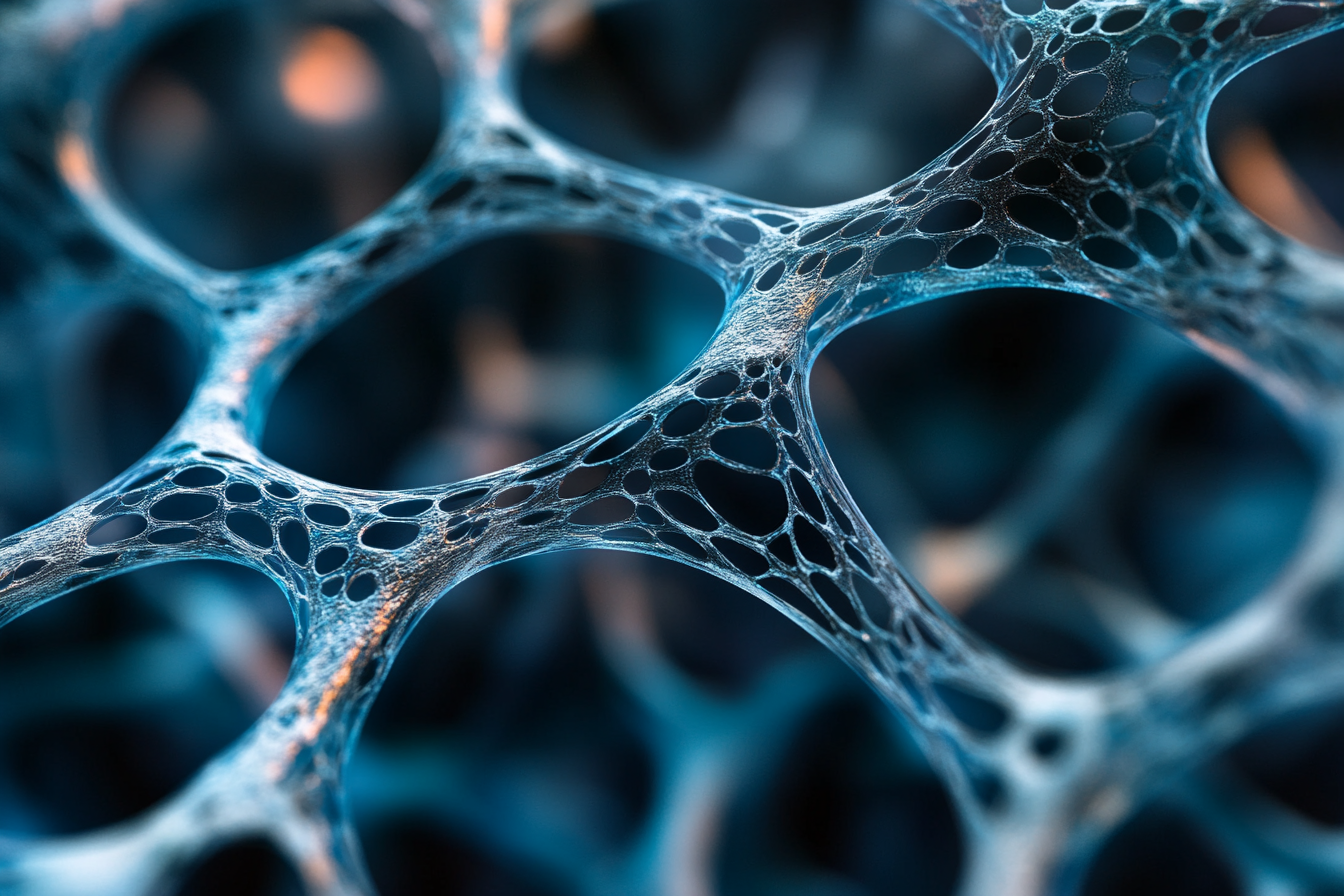
Keratin is a fibrous structural protein that is a key component of hair, skin, and nails. It forms the outer protective layer of hair strands and contributes to their strength, elasticity, and overall health. Hair is made up of about 95% keratin, making it a crucial protein for maintaining and enhancing the structure, strength, and health of hair. By repairing damage, protecting strands, and reducing breakage, it plays a vital role in hair growth treatments, ensuring healthier, fuller, and more resilient hair.
Why Keratin is Good for Hair Growth Treatment:
- Replenishes damaged hair:
Keratin treatments help restore lost keratin in the hair shaft caused by damage from heat styling, chemical treatments, or environmental factors. This replenishment strengthens hair and reduces breakage. - Improves hair strength and resilience:
By reinforcing the protein structure of hair strands, keratin increases their strength and elasticity. This helps prevent hair from becoming brittle or breaking under stress. - Smooths and protects hair:
Keratin forms a protective layer around hair strands, smoothing the cuticle and reducing frizz. This not only improves the appearance of hair but also protects it from external damage. - Supports hair growth:
Healthy, strong hair is less likely to break or shed prematurely, allowing hair to grow longer and fuller over time. Keratin treatments indirectly support growth by preserving the hair already in place. - Improves moisture retention:
Keratin enhances the hair’s ability to retain moisture, preventing dryness and promoting a healthy scalp environment conducive to hair growth. - Revitalizes chemically treated hair:
For individuals with color-treated, bleached, or chemically straightened hair, keratin can repair and restore the hair's structural integrity, making it stronger and more vibrant.
References: Gavazzoni Dias 2015
Frequently Asked Questions
How to use the Hair Growth Supplements
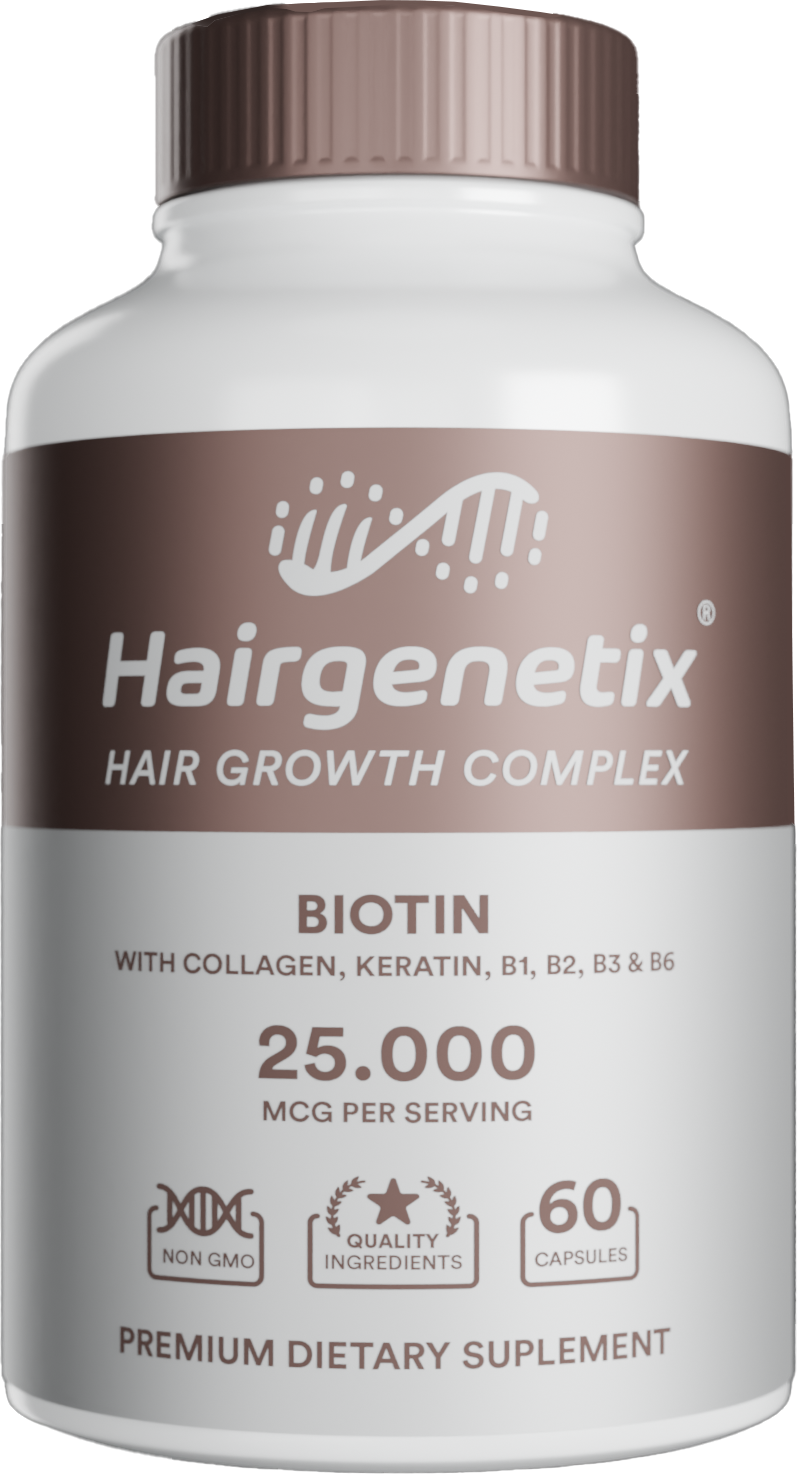
The Hairgenetix Hair Growth Complex provides biotin, collagen, and keratin to support hair growth from within.
Dosage
2 capsules daily with a meal for best absorption.
Combining with topical treatments
Supplements complement topical products — serums target follicles directly, supplements support hair health systemically.
Timeline
Quality improvements visible in 8–12 weeks. Noticeable thickness at 16–24 weeks of daily use.
How does the Hair Growth Complex compare to generic biotin supplements?
Hairgenetix Hair Growth Complex vs Generic Biotin
- Hairgenetix: Multi-ingredient formula combining biotin, collagen peptides, and keratin — three complementary mechanisms for hair growth. Designed to work with the topical Hairgenetix range.
- Generic biotin: Typically single-ingredient (biotin only). Does not address collagen or keratin deficiencies. No synergy with topical treatments.
Hairgenetix vs Nutrafol / Viviscal
- Hairgenetix: Focused formula with clinically studied ingredients. Part of a complete topical + supplement system. Direct price comparison favours Hairgenetix.
- Nutrafol: Broader ingredient list including ashwagandha, saw palmetto, marine collagen. Higher price point (€60–€80/month). Standalone supplement.
- Viviscal: Marine protein complex (AminoMar). Established clinical evidence. Does not include copper peptide synergy.
Can I take the supplements with other vitamins?
Yes. The Hair Growth Complex can be taken alongside a standard multivitamin. Biotin is water-soluble — excess is excreted naturally, so there is no risk of accumulation.
Note: If you are already taking a supplement containing biotin, check the combined daily intake. The recommended daily intake of biotin is 30–100 mcg, though higher doses (up to 10,000 mcg) are commonly used in hair growth supplements with no reported toxicity.
Important: High-dose biotin can interfere with certain blood tests (troponin, thyroid panels). Inform your doctor that you are taking biotin supplements before any blood work.
Do the supplements help with nail growth too?
Yes. All three active ingredients in the Hair Growth Complex also benefit nails:
- Biotin: Widely studied for brittle nail syndrome. A 2017 review found biotin supplementation improved nail thickness in 63% of subjects (Patel et al. 2017).
- Collagen: Provides amino acids (proline, glycine) that form the nail matrix. A 2017 study showed 12% faster nail growth and 42% reduction in broken nails after 24 weeks (Hexsel et al. 2017).
- Keratin: Nails are 90% keratin. Supplementing provides the structural building blocks for stronger, less brittle nails.
How long does it take for biotin supplements to improve hair growth?
Biotin supplements typically show visible hair improvements within 8-12 weeks of daily use. A 2017 systematic review (PubMed: 28879195) found that biotin supplementation improved hair growth in all published cases where subjects had underlying biotin deficiency. The Hair Growth Complex combines biotin with collagen peptides and keratin for a multi-pathway approach. Hair quality improvements (shine, strength) often appear before visible thickness gains. Maximum results are typically seen at 16-24 weeks of consistent daily supplementation.
Are the Hair Growth Complex supplements safe to take during pregnancy?
Consult your doctor before taking any supplements during pregnancy or breastfeeding. While biotin, collagen, and keratin are generally considered safe, dosages in hair growth supplements may exceed standard prenatal recommendations. Your healthcare provider can advise whether the Hair Growth Complex is appropriate for your specific situation. If you are experiencing post-partum hair loss, the topical Copper Peptide Serum (applied to the scalp only) may be a suitable alternative to discuss with your doctor.
Best Sellers


- 1 Title


- 1 Title


Copper Peptide Set – Complete Hair Growth Treatment (Shampoo, Conditioner & Serum)
- 1 Title


- 1 Title


- 1 Title


- 1 Title


- 1 Title


- 1 Title
Guaranteed Growth or Full Refund
Experience the Hairgenetix difference with complete peace of mind.
We believe in transparency and proven science. If you don’t see visible, real results within 4 months of consistent use, you’ll receive a full refund — no questions asked.
